




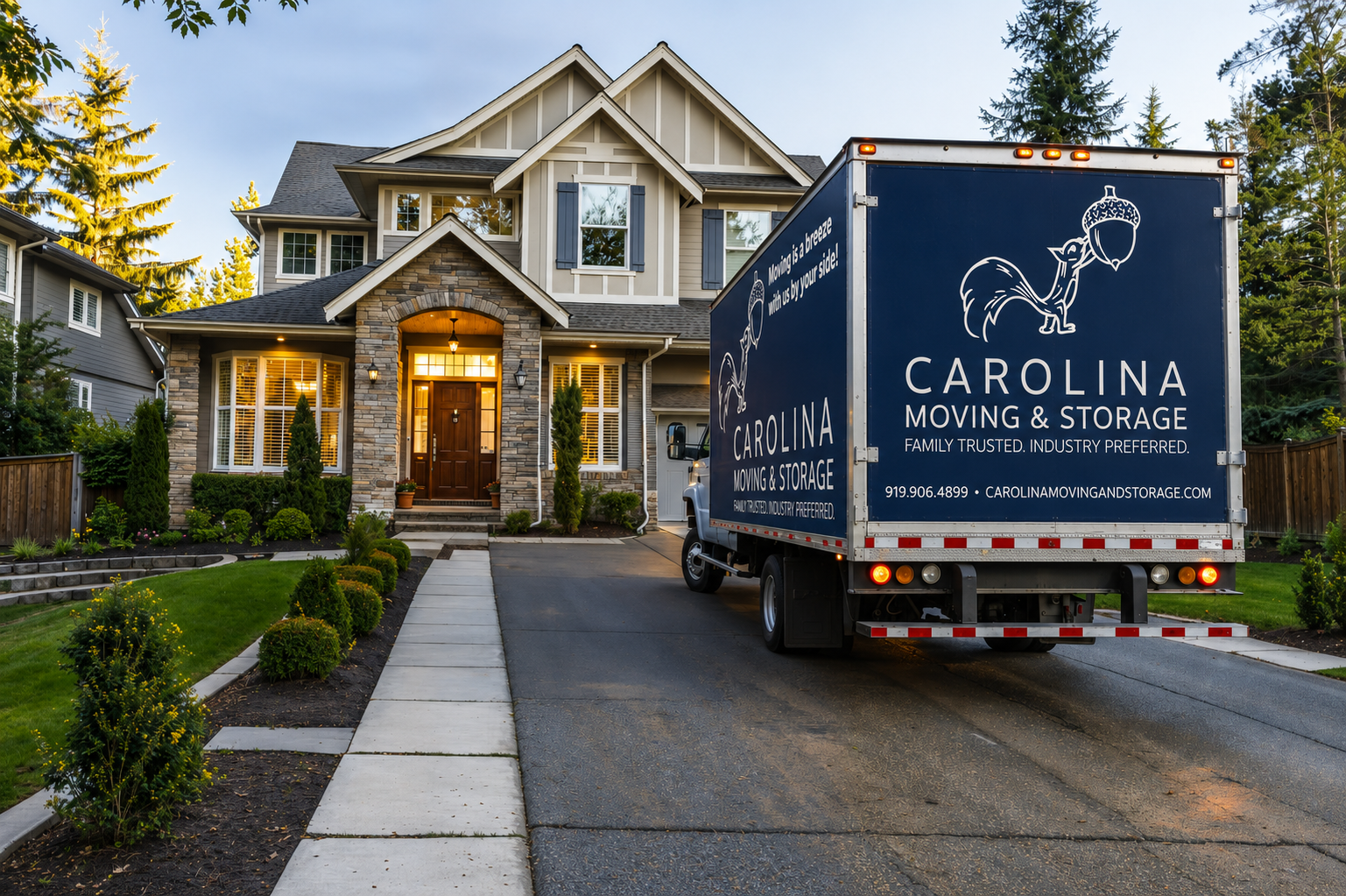
Residential Moving Services: Key Steps for a Well-Planned Move
Moving to a new home involves more than putting belongings into boxes and arranging transportation. A successful residential move requires careful planning, organization, communication, and preparation to keep the process manageable from start to finish. From sorting and packing household items to preparing your home and coordinating moving day details, each step can affect how smoothly the relocation goes.
Understanding what to plan can help households manage their time, protect important belongings, avoid unnecessary last-minute stress, and feel more prepared when moving day arrives. With a clear plan and the right residential moving services, you can approach your home relocation with greater confidence and organization.
1. Start With a Moving Timeline
Begin planning as soon as you know your moving date. Creating a timeline gives you a practical way to divide tasks instead of handling everything at once.
Your timeline can include:
- Confirming your moving date
- Sorting and decluttering belongings
- Collecting packing supplies
- Packing less-used items first
- Arranging transportation
- Preparing your current and new home
Starting early also gives you time to ask questions and organize professional residential moving services when needed.
2. Sort Belongings Before Packing
Moving is a useful opportunity to decide what you actually want to take to your new home. Go through each room systematically and separate items into clear categories:
- Keep for the new home
- Donate items in good condition
- Recycle suitable materials
- Sell unwanted belongings
- Dispose of items that cannot be used
Reducing unnecessary belongings can make packing and unpacking more manageable. Completing this step before packing also helps create a clearer inventory of what needs to be moved.
3. Create an Organized Packing System
A consistent packing system can save time during both loading and unpacking. Pack one room at a time and label each box with its destination and a short description of its contents.
Use suitable materials for fragile belongings and avoid overfilling boxes. Keep important personal items and valuables where you can access them easily. A separate essentials bag can also be useful for the first day and night in your new home.
4. Prepare Your Home for Moving Day
The condition and accessibility of both properties can affect how efficiently belongings are moved. Before moving day, check entrances, hallways, stairs, elevators, parking areas, and other access points.
If there are restrictions, narrow passages, building rules, or limited parking, communicate these details in advance. Clear walkways and remove obstacles that could make carrying furniture or boxes difficult.
5. Choose Services That Match Your Move
When researching residential moving companies, consider what assistance your household actually requires. Before making a booking, ask about:
- Available residential moving services
- Moving dates and scheduling
- Estimated costs and payment terms
- Loading and transportation procedures
- Requirements for large or fragile belongings
- What preparation is expected from you
Explain the size and nature of your move accurately so residential movers can understand the work involved. Before booking, confirm important details in writing, including the moving date, addresses, services included, estimated charges, and any conditions that could affect the final cost.
6. Protect Important and Fragile Items
Certain belongings require additional care during a move. Identify fragile or valuable items before loading begins, including:
- Glassware and delicate household items
- Electronics and computer equipment
- Artwork and decorative pieces
- Important documents
- Personal valuables
- Items with sentimental value
Ask your moving provider about its procedures for handling fragile belongings. Understanding responsibilities before moving day can help you prepare items correctly and address questions in advance.
7. Keep Communication Clear
Good communication is an important part of a well-planned move. Before moving day, make sure you have confirmed:
- The moving date and arrival time
- Pickup and delivery addresses
- Parking and access arrangements
- Stairs, elevators, or other access concerns
- Special handling requirements
- Contact details for important updates
If you are unsure about a charge, service, timing, or preparation requirement, ask before the move begins. Clear communication can reduce misunderstandings and help everyone work from the same plan.
What to Keep With You
Prepare a personal essentials bag with items you may need immediately after arrival.
This can include:
- Identification and important documents
- Phone chargers
- Basic toiletries
- A change of clothes
- Necessary medication
- Snacks and drinking water
- Basic cleaning items
Keeping these necessities accessible means you do not have to search through multiple boxes when you first arrive.
Benefits of Professional Planning
Professional residential moving services can provide structure for households that need assistance with the physical relocation process. Planning can make it easier to understand what needs to be packed, when tasks should be completed, and what information the moving team needs.
For homeowners considering professional assistance, Carolina Moving and Storage can help discuss residential moving requirements and available options based on the details of the move.
A well-planned move considers preparation, access, packing, communication, timing, and the safe handling of household possessions.
Make Your Move Easier to Manage
A residential move becomes more manageable when preparation begins early and each stage has a clear purpose. Sorting belongings, creating a packing system, preparing access points, protecting fragile items, and confirming moving details can all help reduce last-minute pressure.
This preparation can help you identify questions before the moving team arrives at your home. If you are preparing for an upcoming move, taking time to organize your requirements can help you approach moving day with greater clarity. Contact us today to discuss your residential moving needs and plan the next steps for your move.
Frequently Asked Questions
❓When should I start preparing for a residential move?
Start as soon as your moving date is known. Early preparation gives you time to sort belongings, pack gradually, organize services, and address unexpected tasks.
❓How should I organize boxes for moving?
Pack by room, avoid overfilling boxes, use suitable protection for fragile items, and label each box with its destination and contents.
❓What should I tell residential movers before moving day?
Provide accurate addresses, moving dates, access details, parking information, stairs or elevator requirements, and information about fragile or unusually large belongings.
❓Should important documents go in the moving truck?
Keep essential documents and irreplaceable personal items accessible rather than placing them with general household belongings whenever practical.
❓What are the benefits of planning a residential move?
Planning helps organize tasks, reduce last-minute pressure, prepare belongings properly, communicate requirements clearly, and create a more predictable moving day.
Why Choose Carolina Moving and Storage?
✔️ Experienced in commercial relocations
✔️ Licensed, insured, and OSHA-compliant
✔️ Minimized downtime for your business
✔️ Custom moving plans tailored to your needs
✔️ Excellent customer reviews
Frequently Asked Questions
When should I start preparing for a residential move?
Start as soon as your moving date is known. Early preparation gives you time to sort belongings, pack gradually, organize services, and address unexpected tasks.
How should I organize boxes for moving?
Pack by room, avoid overfilling boxes, use suitable protection for fragile items, and label each box with its destination and contents.
What should I tell residential movers before moving day?
Provide accurate addresses, moving dates, access details, parking information, stairs or elevator requirements, and information about fragile or unusually large belongings.
Should important documents go in the moving truck?
Keep essential documents and irreplaceable personal items accessible rather than placing them with general household belongings whenever practical.
What are the benefits of planning a residential move?
Planning helps organize tasks, reduce last-minute pressure, prepare belongings properly, communicate requirements clearly, and create a more predictable moving day.